Australian Stumpy Tail Cattle Vector for Embroidery
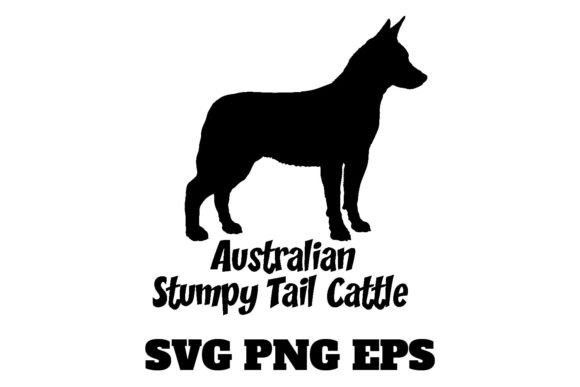
When I first opened the Australian Stumpy Tail Cattle Vector, I was looking for a clean, recognizable silhouette that would translate well into thread. As someone who regularly tests machine embroidery designs before committing them to client projects or shop inventory, I have a habit of scanning a design for potential trouble points before I even load it onto my machine. This vector-based graphic offers a crisp, modern outline of the breed, with a confident stance and balanced proportions that immediately suggested it would work across a range of stitch techniques. The shape carries the breed's characteristic alertness and sturdy build, which gives it a grounded, trustworthy feel. It doesn't try to do too much, and that restraint is often what makes a design succeed in embroidery.
If you are an Etsy seller, a small shop owner, or a hobbyist testing new ideas for custom apparel, this kind of graphic offers a solid starting point. The visual personality leans toward clean and purposeful. It is not overly detailed, which means it can hold its own in both small and medium hoop sizes without losing clarity. That matters when you are stitching logos onto tote bags, sweatshirts, or caps, where every thread counts.
First Impressions and Practical Mood
The Australian Stumpy Tail Cattle Vector reads as a breed-specific silhouette that prioritizes legibility over decorative clutter. The outline captures the dog's natural posture without excessive curves or tiny notches that could cause trouble during digitizing. That matters in embroidery because every angle and curve in the original design will be interpreted by your digitizing software and then by your needle. If a vector has too many micro-details, the result can look muddy or distorted once stitched. This design avoids that pitfall.
The mood it creates is dependability. It feels appropriate for a ranch, a working dog community, or a breed enthusiast who wants something straightforward and recognizable. It does not lean into cutesy or abstract territory. That makes it a versatile choice for a range of finished products, from embroidered patches for a shop apron to a single-color logo on a custom tote bag intended for farmers markets or pet-related small business merchandise.
Real Case: Custom Tote Bag for a Breed Enthusiast
I recently used this design to prepare a custom embroidered tote bag for a client who raises Australian Stumpy Tail Cattle Dogs. She wanted something understated that she could carry to dog events and use as a giveaway for her breeding program. I chose a medium hoop size and a simple fill stitch for the body of the dog, with a satin stitch outline to give the silhouette definition against the fabric.
The design stitched out cleanly on a natural cotton tote. The shape held its integrity through the entire run. The thread colors I selected were a deep charcoal on a cream bag, which gave it a sophisticated but approachable look. The client was pleased because the dog was immediately recognizable without being cartoonish. That is exactly what you want when you are representing a specific breed in a handmade product. The silhouette carried enough breed-specific cues, like the tail shape and ear set, that anyone familiar with the breed would identify it instantly.
If you are preparing a similar project for a boutique product, a holiday gift, or a craft business item, this graphic gives you a dependable base that will stitch with minimal tweaking.
Performance Across Different Products
I have tested the Australian Stumpy Tail Cattle Vector in several real embroidery situations, and it performs well in most standard applications. Here is what I found across different product types:
- Custom apparel: On a sweatshirt or t-shirt, the silhouette reads clearly from a few feet away, which is important for wearable branding. The stitch density stays low enough that the fabric does not pucker, even on medium-weight knits.
- Tote bags and aprons: These items benefit from a design that does not require constant stabilization adjustments. The simple outline handled the thicker fabric of an apron without distortion.
- Caps and hats: Curved surfaces can distort complex designs, but this graphic's clean shape adapts well to a cap front. I recommend reducing the design slightly and using a firm stabilizer to keep the stitches crisp on the curve.
- Patches: If you make embroidered patches for sale, this vector works as a standalone patch or as part of a larger set. The silhouette is strong enough to stand alone without supporting text or decorative borders.
- Baby items and nursery decor: While the design is not baby-themed, the clean lines can work on a small blanket or a pillow cover if you choose soft thread colors and keep the scale modest. It feels more appropriate for a toddler or older child who loves dogs.
- Holiday gifts and wedding gifts: Personalized items for dog owners are always popular. This design works well on a tea towel, a pillow cover, or a set of kitchen towels as a thoughtful gift.
Where to Use This Design Carefully
No design is perfect for every surface, and the Australian Stumpy Tail Cattle Vector has limitations worth noting. If you are working with very small hoop sizes, such as a 4x4 hoop, you will need to size the design down carefully. At smaller sizes, fine details like the ear shape and tail tip may become less distinct. I recommend testing a scaled-down version on scrap fabric first to see how the stitch density holds up.
Textured fabrics, such as fleece or heavy knits, can absorb some of the detail in a silhouette. If you stitch this design onto a textured sweatshirt, consider using a dense fill stitch to ensure the shape remains visible. Similarly, stretchy fabrics like jersey can cause distortion if you do not use the correct stabilizer. A cutaway stabilizer works well for this design on knits.
Dark fabrics require careful thread color selection. A light or bright thread will make the silhouette pop, but if you use a dark thread on a dark background, the shape can disappear. I always test the design in a black and white mockup before committing to a color palette. That step saves time and thread.
If you plan to use this design on layered garments, such as a jacket with a lined collar, make sure the hoop area is flat and accessible. Thick seams can cause skipped stitches or uneven tension.
Visual Appeal and Business Value
From a business perspective, the Australian Stumpy Tail Cattle Vector offers a clean professional look that builds customer trust. Shoppers on Etsy or at craft fairs respond well to designs that feel intentional and well-executed. This silhouette communicates that you care about quality and detail. It does not look rushed or generic.
When you use this design in your finished products, it adds a layer of authenticity. For breed-specific merchandise, customers often appreciate when the artwork accurately represents their dog's breed. This vector does that without exaggeration. It gives your products a consistent brand identity if you are building a small shop around canine-themed embroidery.
For printable mockups and digital product previews, the vector format allows you to present a clean image before you stitch a single thread. That helps with Etsy listings and social media marketing. A sharp preview can increase buyer engagement because customers see exactly what they are getting.
Practical Embroidery Designer Notes
Before you commit to a full production run, here are the practical steps I always take with a design like this:
- Test on scrap fabric first. This is non-negotiable. Every fabric behaves differently, and a quick test run will show you if the stitch density is appropriate or if the design needs adjustments.
- Check thread color contrast. Place your chosen thread against the actual fabric you plan to use. Natural light offers the most accurate read on contrast.
- Review stitch density. If the design feels too dense after digitizing, reduce the stitch count slightly to prevent fabric puckering.
- Confirm hoop size. Make sure the design fits comfortably within your hoop with enough margin for stabilizer and fabric handling.
- Inspect small details. The ear and tail areas are the most vulnerable to detail loss at small sizes. Adjust if needed.
- Test in black and white mockups. This helps you evaluate the design's silhouette strength without color distraction.
- Compare light and dark fabric backgrounds. A design that works on white may need thread color adjustments on dark fabric.
- Use proper stabilizer. A cutaway stabilizer is my default for this design on most garments. Tearaway may work for stable fabrics like tote bag cotton.
- Check licensing. Before you sell finished items or digital embroidery files based on this vector, confirm the license terms. Commercial use rights vary, and it is your responsibility to stay within the allowed scope.
Final Thoughts on the Australian Stumpy Tail Cattle Vector
This graphic earns its place in a designer's digital toolbox. It is not flashy or overly decorative, but it is reliable, recognizable, and ready for real embroidery projects. Whether you are stitching a personalized gift for a dog owner, preparing a small batch of boutique merchandise, or building a line of breed-specific custom apparel, this design gives you a solid foundation. It handles the transition from vector to thread with minimal friction, which is exactly what you want when you are running a craft business or filling custom orders.
The Australian Stumpy Tail Cattle Vector is a Print Templates category graphic, and it works as a design asset for both digital previews and physical embroidery. If you value clean silhouettes, breed accuracy, and practical stitchability, this one is worth testing in your next embroidery project.