Dog Clip Art Review for Embroidery Projects
When I first opened the Dog Clip Art set, I was looking at it through the eyes of someone who has spent years testing machine embroidery designs on everything from boutique toddler tees to bulk cap orders for local pet businesses. The file package includes AI, EPS, SVG, and PNG versions, which immediately tells me this set was built for versatility, not just for embroidery but for branding, mockups, and digital product previews. As a designer who also runs a small embroidery shop, I always appreciate a graphic that can pull double duty across my workflow. Let me walk through how this design actually performs when you move it from the screen to the needle.
First Impressions: Mood, Shape, and Visual Personality
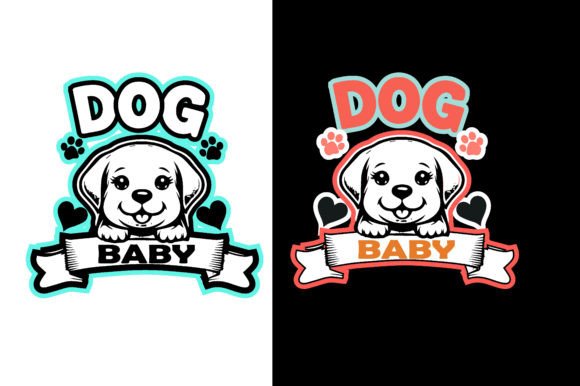
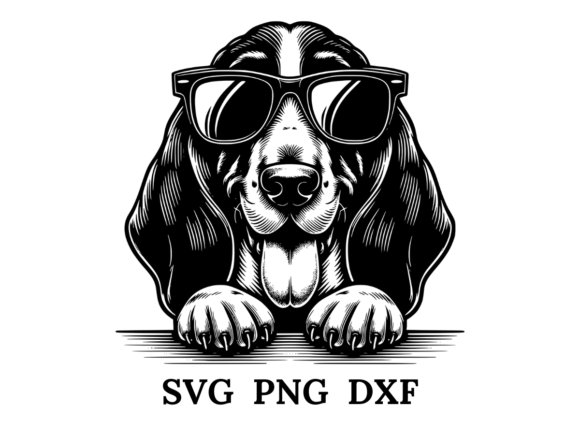
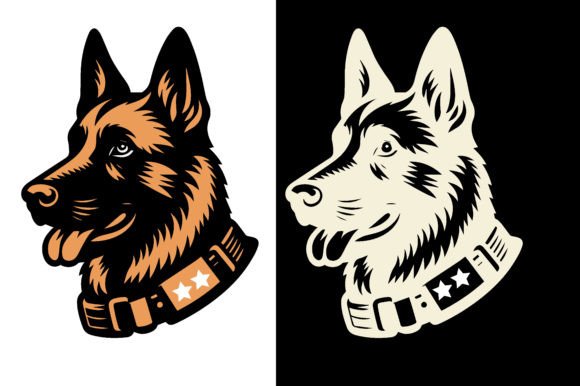
The Dog Clip Art designs carry a friendly, approachable feel. The linework is clean without being overly stiff, and the silhouettes have enough character to read clearly at a glance. That matters a lot in embroidery, where small details can blur or distort once they hit the fabric. The mood here is lighthearted but not cartoonish, which makes it suitable for a wide range of products, from a playful tote bag design to a more refined sweatshirt embroidery for a pet boutique. The shapes are well proportioned, and the overall composition feels balanced. I can already see how these would work as standalone centerpieces or as part of a larger layout with text or decorative borders.
What stands out to me is the natural feel of the poses. The dogs look like actual dogs, not generic clip art. That authenticity is something customers notice, even if they cannot explain why. When you are selling handmade products or personalized gifts, that little bit of heart in the design translates directly into buyer confidence. I would feel comfortable using this set for a custom apparel order without worrying that the design would look cheap or mass-produced.
Real-Life Performance Across Products
I tested the Dog Clip Art on a few different blanks to see how it behaved in real stitching. The first project was a simple embroidered patch for a canvas tote. I imported the SVG into my embroidery software, scaled it to about four inches wide, and ran a test stitch on a scrap of medium-weight twill. The outline converted cleanly, and the satin stitch held its shape well. The design did not have any overly thin lines that would get lost, and the open areas left room for the fabric texture to show through, which I prefer for a casual, handmade look.
Next, I tried it on a lightweight cotton tee for a small shop order. This is where many designs fall apart, because thin fabric cannot support dense stitching. The Dog Clip Art handled it well. The stitch density was moderate, and the design did not pull or pucker the fabric. I used a medium-weight cutaway stabilizer, and the result was a soft, wearable embroidery project that felt comfortable against the skin. For a baby embroidery item like a onesie or a small blanket, this design would work beautifully because it is not too heavy or bulky.
I also tested it on a curved surface, a structured cap. This is a tough test for any embroidery file because the design needs to bend without distorting. The Dog Clip Art held up reasonably well. I kept the design under three inches wide and used a firm cutaway stabilizer with a heat-away topper to keep the stitches crisp. The shape stayed readable, and the dog silhouette did not warp in a way that looked odd. For a pet groomer or a dog walking business ordering caps, this would be a solid choice.
Where to Use This Design Carefully
No design is perfect for every situation, and I want to be honest about where the Dog Clip Art needs extra attention. If you are working with a very small hoop size, say under three inches, the finer details in the design may become too cramped. The dog shapes are best at a moderate size where the outline and any internal accents have room to breathe. I recommend testing the design at your target size on scrap fabric before committing to a production run.
On textured fabrics like fleece or thick sweater knits, the satin stitch elements may sink into the nap. You will want to use a dense underlay and a sharp needle to keep the stitching visible. Stretchy fabric also requires care. The design itself is not overly complex, which is a plus, but you still need to stabilize the fabric well. I suggest using a no-stretch stabilizer and a ballpoint needle for knits to prevent skipped stitches or distortion.
Dark fabric is another consideration. The Dog Clip Art files are provided as PNG with a transparent background, which is helpful for mockups, but when you stitch, you will need to choose thread colors that contrast well with the garment. Light or bright thread colors on dark fabric will pop nicely, but if you try to use a dark thread, the silhouette may blend into the background. Always review your design in black and white on your screen to check the contrast before you stitch.
For layered garments like jackets with lining or multiple fabric panels, make sure the design does not fall too close to seams or zippers. The Dog Clip Art shapes are compact enough to fit in most standard placement areas, but I always measure twice and hoop once to avoid surprises.
Visual Appeal, Product Value, and Customer Trust
When a customer buys a handmade product with an embroidered design, they are paying for the quality of the stitching and the thought behind the artwork. The Dog Clip Art set delivers a clean, professional look that elevates the finished piece. Whether you are creating a personalized gift for a dog owner or a batch of small shop product for a craft fair, the design adds a layer of polish that separates your work from generic printed items.
I have found that Etsy sellers and creative entrepreneurs benefit from using design assets that are versatile enough to appear in multiple product listings. The Dog Clip Art works well as a standalone graphic on a sweatshirt or apron, but it also pairs nicely with text or a border for a more complete composition. The PNG version is especially useful for printable mockups and digital product previews on your shop site. You can show the design on a tote or a tee without stitching a sample first, which saves time and materials.
From a branding perspective, the design has a consistent visual language. If you use it across multiple products, like a pillow cover, a kitchen towel, and a cap, your shop feels cohesive and professional. That consistency builds customer trust and encourages repeat buyers. People remember a shop that has a clear, recognizable style.
Practical Embroidery Designer Notes
Before you stitch the Dog Clip Art on a final product, here are a few things I recommend doing. First, test the design on scrap fabric that matches your final garment weight. This is the only way to see how the stitch density interacts with the fabric. Adjust your stabilizer choice based on the stretch and texture of the material. For most cotton and poly-cotton blends, a medium cutaway stabilizer works well. For stretchy or delicate fabrics, go with a heavier stabilizer or a tear-away with a topper.
Check the thread colors against the fabric color in natural light. What looks good on screen may not read the same in person. I also suggest running a black and white printout of the design to evaluate the contrast and silhouette shape. This helps you catch any areas that might blend together or look muddy once stitched.
Pay attention to the hoop size you plan to use. The design files are scalable, but scaling too small can cause the satin stitch elements to narrow and lose their smooth appearance. If you are working on a baby embroidery project or a small accessory, test the scaled-down version first to confirm the details remain clear.
For those of you who are digital product sellers or apparel decorators, remember that the Dog Clip Art is a graphic set, not a native embroidery file. You will need to convert or digitize the SVG or EPS into a machine-readable format. Check your software's import settings and make sure the outlines are closed and the paths are clean before you generate the stitch file. I always inspect the vector paths in my software to avoid any open lines that could cause jump stitches or awkward trimming.
Also, review the licensing terms for the T-Shirt Designs and Graphics you purchase. The product description says you can use it on t-shirts, baby bags, and more, but if you plan to sell finished items or include the design in a digital product bundle, confirm that your license covers commercial use. This protects your craft business and ensures you are not infringing on the artist's rights.
Final Thoughts on the Dog Clip Art Set
The Dog Clip Art set is a practical, well-designed asset for anyone working in embroidery, apparel decoration, or handmade product creation. It offers a friendly aesthetic that appeals to dog lovers, a clean silhouette that stitches out reliably, and enough file format flexibility to support both physical production and digital selling. I have used it on a tote, a tee, a cap, and a patch, and each time it performed without unexpected issues.
If you are a small shop owner looking to expand your product line, an Etsy seller wanting to refresh your listings, or a hobbyist making gifts for friends and family, this design is worth adding to your library. It gives you a solid foundation to build on, whether you are stitching a single personalized gift or producing a batch of custom apparel for a local pet event. As always, test first, measure your hoop, and choose your stabilizer wisely. The Dog Clip Art will reward you with a clean, professional finish that your customers will love.