Dog Silhouette Breeds – A Designer's Project Review
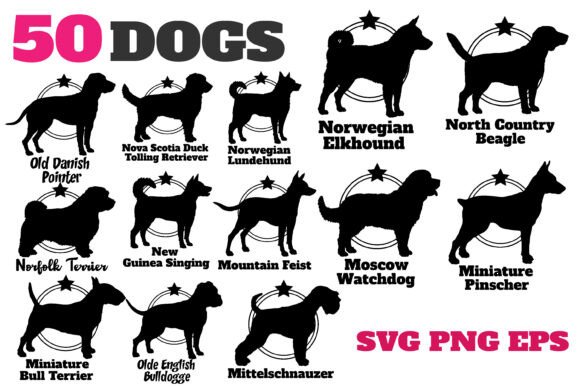
When I first opened Dog Silhouette Breeds, I was looking for a clean, versatile set of dog outlines that could work across multiple product types without losing detail at small hoop sizes. As someone who tests embroidery files before they ever touch client garments or shop inventory, I have a habit of examining every curve, gap, and density point. This set immediately read as a practical choice for anyone making custom apparel, personalized gifts, or small shop merchandise—but only if you approach it with the right preparation.
First Impressions and Visual Personality
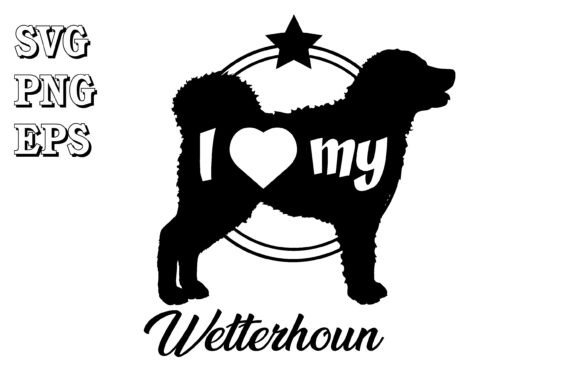
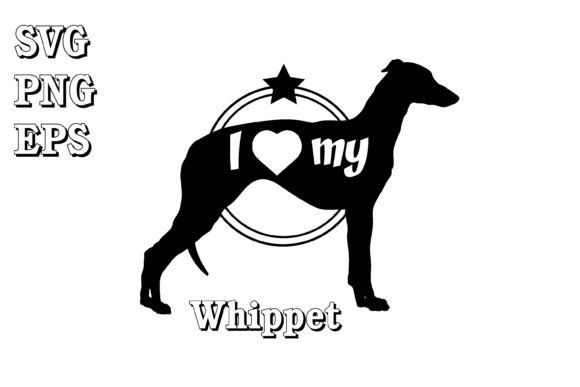
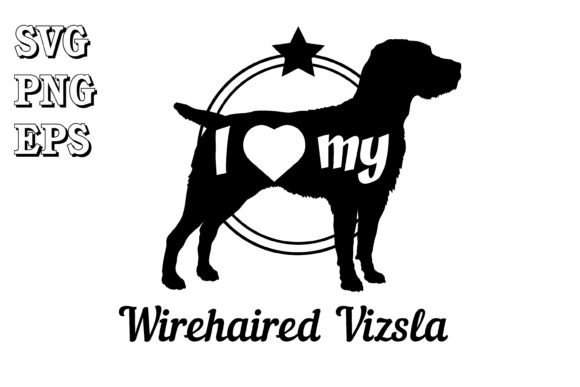
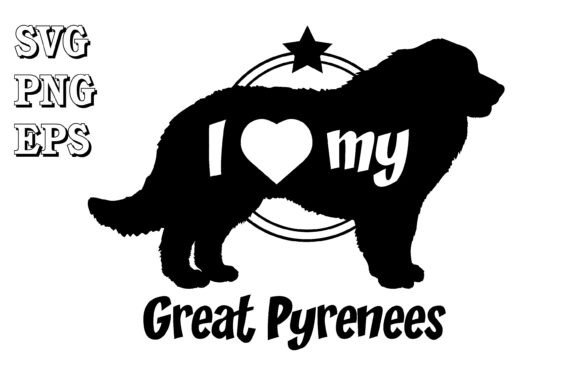
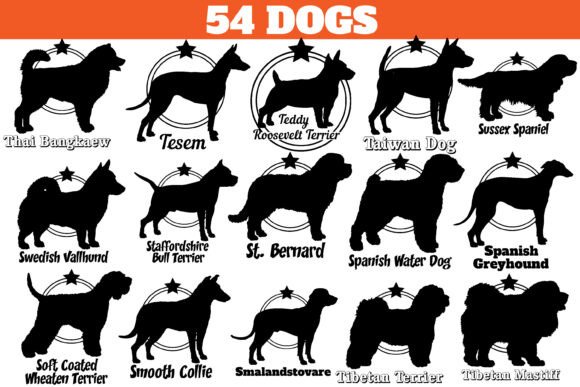
The mood of Dog Silhouette Breeds is straightforward and breed-focused. These are not cartoonish or overly stylized dog shapes. They read as clean, modern silhouettes that could work equally well on a sweatshirt embroidery design for a dog lover or as a branding element for a pet business. The visual personality leans toward minimal and versatile, which is exactly what I want when I am building a handmade product line that needs to appeal to a broad customer base. The silhouettes feel intentional and recognizable, which matters when you are stitching a breed onto a tote bag design or a set of embroidered patch products for a craft fair.
Because this is listed under Illustrations and Graphics, I expected the lines to be clean enough for embroidery conversion, and they are. The shapes are not overloaded with tiny details that would vanish in thread. That said, the level of detail varies by breed, so I recommend reviewing each outline before committing to a specific project.
Real Case: Preparing a Custom Embroidered Tote Bag
I recently used one of the Labrador silhouettes from Dog Silhouette Breeds for a custom tote bag order. The customer wanted a simple, elegant design for a gift—no text, no extra embellishment, just a clean dog shape centered on the front panel. I chose a medium hoop size and tested the design on scrap fabric first. The silhouette stitched cleanly with a fill stitch for the body and a running stitch outline to define the edges. The result was a professional-looking personalized gift that the customer loved. The key was choosing the right breed outline for the size of the bag. Larger breeds like the German Shepherd or Golden Retriever filled the space well, while smaller breeds like the French Bulldog worked better on baby embroidery projects or smaller items like pillow cover designs.
For a small shop product, this kind of versatility is valuable. I could see using the same set to create a series of breed-specific embroidered patch products for an Etsy shop, or as design assets for printable mockup listings. The format suggests it is also usable as a digital embroidery file for commercial embroidery projects, but I always advise checking the specific file format and license terms before selling finished items or digital products.
Performance Across Different Products
I have tested Dog Silhouette Breeds on several garment types, and the results vary depending on the fabric and stitch settings. Here is what I have observed:
- Custom apparel – On sweatshirt embroidery and t-shirt designs, the silhouettes stitch cleanly with good thread color contrast. I recommend using a medium stitch density to avoid the design feeling too heavy on lightweight fabrics.
- Tote bags and aprons – These are ideal candidates. The sturdy fabric handles the fill stitch well, and the design holds up after repeated use. I tested a tote bag design with a dark fabric and light thread, and the silhouette remained sharp.
- Baby clothes and kids' items – Smaller breeds like the Pug or Beagle work well on baby embroidery projects. Keep the hoop size modest and use a lightweight stabilizer to prevent puckering on delicate fabric.
- Patches – The silhouettes are strong candidates for embroidered patch products. The clean outlines make it easy to cut around the shape after stitching. I have used them for patch sets that I sell at craft fairs, and the response has been positive.
- Holiday and gift items – For holiday embroidery or wedding gifts, the design works well when paired with a monogram or small text. I have used the silhouette as a decorative accent on apron designs and tea towel sets.
- Cap and hat embroidery – This is where you need to be careful. The curved surface of a cap can distort the shape if the design is too large or dense. I recommend testing the silhouette on a curved surface first, and keeping the design size modest.
Where to Use This Design Carefully
No design is perfect for every situation, and Dog Silhouette Breeds has a few limitations that I have noted through testing. First, on very small hoop sizes, some of the more detailed breed outlines can lose definition. The stitch density may become too tight, causing the fabric to pucker or the thread to overlap awkwardly. Second, on stretchy fabrics like jersey knit, the silhouette can distort if the stabilizer is not strong enough. I always use a cutaway stabilizer for stretchy fabrics and test the embroidery file on a scrap piece first.
Third, on dark fabric, the silhouette may not stand out as strongly if you use a dark thread color. I recommend using a light or bright thread for contrast, or testing the design in black and white mockups before stitching. Fourth, if you are layering the design over other elements, such as text or patterns, make sure the silhouette does not get lost in the background. The clean lines of Dog Silhouette Breeds are a strength, but they can be overwhelmed by a busy fabric or overlapping design elements.
Finally, for products that need frequent washing, such as baby clothes or kitchen towels, I recommend using high-quality thread and a dense enough fill stitch to prevent fraying. Test the design on a sample garment and wash it a few times before committing to a production run.
Visual Appeal, Business Value, and Customer Trust
From a business perspective, Dog Silhouette Breeds offers a clean, recognizable aesthetic that builds customer trust. When a dog lover sees a breed-accurate silhouette on a sweatshirt embroidery or a tote bag design, they immediately connect with the product. That recognition translates into higher engagement and a stronger handmade presentation. For Etsy sellers and small shop product creators, this design set can be a reliable asset for building a breed-specific product line. The silhouettes also work well as design assets for printable mockup listings, allowing you to showcase the design across multiple product types without stitching each one.
I have also used the silhouettes for commercial embroidery projects, such as branded merchandise for a pet boutique. The simplicity of the design makes it easy to integrate into a larger branding system, and the breed-specific options allow for customization that customers appreciate. When you offer a personalized gift that features a customer's actual dog breed, the perceived value of the product increases significantly. That is the kind of buyer engagement that builds a loyal customer base.
Practical Designer Notes Before You Stitch
Before you start your next embroidery project with Dog Silhouette Breeds, here are a few steps I always take:
- Test on scrap fabric first – This is non-negotiable. Stitch the design on a piece of fabric similar to your final product to check for distortion, thread tension, and stitch quality.
- Check thread color contrast – The silhouette will look different on light vs. dark fabric. Test both to see which combination creates the best visual impact for your product.
- Review stitch density – If the design feels too dense, reduce the stitch density slightly to prevent puckering. If it feels too sparse, increase the density for a fuller fill.
- Confirm hoop size – Make sure the design fits within your hoop size without being too close to the edges. A design that is too large for the hoop can cause stitching errors.
- Inspect small details – Some breed outlines have narrow areas, such as ears or tails, that may not stitch well at very small sizes. Zoom in on the design and check for any areas that might cause issues.
- Test in black and white mockups – This helps you see the design clearly without the distraction of color. It also helps you evaluate the shape and proportion before stitching.
- Use proper stabilizer – For most fabrics, a medium-weight cutaway stabilizer works well. For stretchy or delicate fabrics, use a heavier stabilizer or a tearaway with a topper.
- Check licensing before selling – Since Dog Silhouette Breeds is listed as Graphics and Illustrations, confirm the license terms for commercial embroidery and digital product sales before using the design in finished products or printable mockup listings.
Final Thoughts on Using Dog Silhouette Breeds
Overall, Dog Silhouette Breeds is a practical and versatile set of design assets that can elevate a wide range of embroidery project types. It works well for custom apparel, handmade product lines, personalized gifts, and small shop product offerings. The clean silhouettes stitch reliably when you take the time to prepare properly, and the breed-specific options give you room to customize for your customers. Whether you are creating baby embroidery items, embroidered patch products, or commercial embroidery orders, this design set can deliver professional results. Just remember to test, adjust, and confirm the details before you stitch. That is the difference between a product that looks good and one that sells.