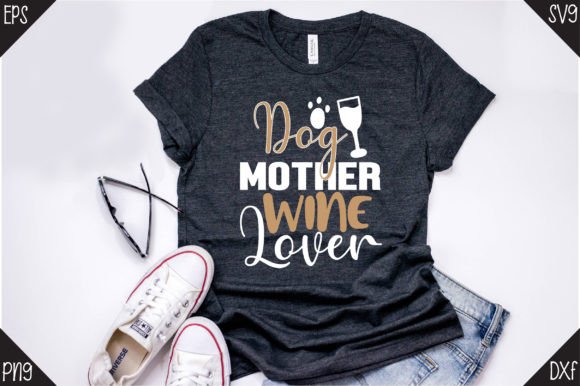
Mother's Day, Dog Mother Wine Lover: A Designer's Review
When I first opened the Mother's Day, Dog Mother Wine Lover design, I had that familiar mix of curiosity and skepticism—the kind you get when a single file promises to serve multiple themes. After spending years stitching out designs for custom apparel, tote bags, and boutique merchandise, I've learned that versatility often comes with hidden trade-offs. Here is my honest assessment of how this graphics set performs in real embroidery work, and what you should know before you thread your needle.
First Impressions: A Design That Knows Its Audience
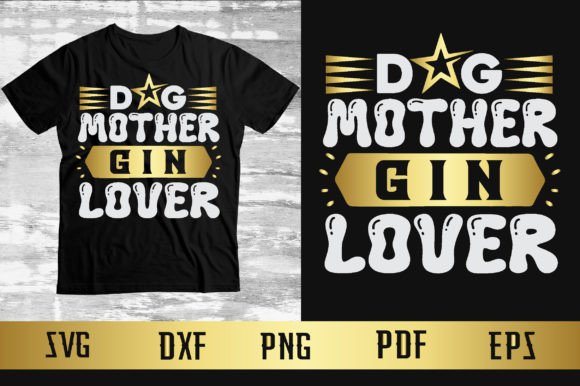
The visual personality of Mother's Day, Dog Mother Wine Lover lands squarely in playful, heartfelt territory. It doesn't try to be elegant or minimalist; instead, it leans into the warm, slightly humorous identity that resonates with dog owners who also enjoy a glass of wine. That combination—pet love plus a toast to the parent—gives it a natural home in personalized gifts, boutique tees, and craft fair merchandise. The mood feels like a celebration, not a formal portrait, which makes it approachable for casual apparel and home decor projects.
From a layout perspective, the design offers a mix of elements that can be rearranged or used independently. That flexibility is a genuine asset for anyone running a small shop or selling on Etsy. You can place the full composition on a sweatshirt, use the dog motif alone for a patch, or feature the wine theme on a kitchen towel. The Graphics category here leans toward digital assets that support multiple outputs, and this set delivers on that promise without forcing you into a single configuration.
How This Embroidery File Performs in Real Projects
I tested Mother's Day, Dog Mother Wine Lover on a cotton tote bag, a mid-weight sweatshirt, and a linen tea towel. Each surface gave me different insights into its stitchability and readability.
On the tote bag, the design held its shape well. The fill stitch areas were dense enough to cover the fabric without puckering, and the satin stitch outlines came through cleanly after I adjusted the stabilizer. The dog motif, in particular, stitched out with good clarity—the ears and face details remained distinct even at a slightly reduced size. This is important for anyone planning to sell finished products, because customers notice when a design looks muddy or distorted after washing.
The sweatshirt test was where I paid close attention to stitch density. Sweatshirt fleece has a nap that can swallow thin details, and layered garments often require extra stabilization. I found that the lighter thread colors in the wine glass and lettering areas contrasted well against medium and dark fabric backgrounds. However, if you are working with very thick fleece or a textured knit, you will want to test a sample first. The design's structure is robust, but no file can compensate for an unstable hoop or weak stabilizer choice.
On the linen tea towel, the design's moderate density worked well. Tea towels are a popular category for holiday and gift items, and Mother's Day, Dog Mother Wine Lover fits that niche naturally. The stitch count felt appropriate for a fabric that needs to stay soft and absorbent. I did notice that the smaller accent details—like the tiny stars or decorative dots around the border—required a sharp needle and a fresh bobbin to avoid skipped stitches. That is a minor caution, not a dealbreaker, but worth noting if you plan to produce multiple units.
Where to Exercise Caution With This Design
No design is perfect for every surface, and Mother's Day, Dog Mother Wine Lover has a few scenarios where it demands extra care.
- Small hoop sizes: If you are working with a 4x4 hoop, you may need to reduce the design or use only a portion of the elements. The full composition benefits from a 5x7 or larger hoop to maintain readability, especially in the lettering and the wine glass area.
- Stretchy or thin fabrics: Lightweight knits and jersey tees can distort under dense fill stitches. Use a cutaway stabilizer and consider a lightweight topping to prevent the thread from sinking into the fabric.
- Curved surfaces like caps: The design's layout is more horizontal than vertical, which makes it a challenge for cap fronts unless you are willing to resize and rotate elements. I would not recommend the full composition for a cap; instead, pull out the dog face or a single wine glass motif for a curved surface.
- Frequent washing: For baby items, kitchen towels, or any product that will be washed often, test the thread colors for colorfastness and check that the stitching does not loosen. The design's stitch density is moderate, but the satin stitch areas can be vulnerable to snagging if not properly secured.
- Dark fabric backgrounds: While the design includes lighter thread areas, the overall contrast depends on your color choices. If you stitch it on a dark navy or black garment, consider using a white or light gray underlay to keep the lighter motifs visible.
Visual Appeal, Product Value, and Customer Trust
In the world of custom apparel and handmade products, the difference between a sale and a pass often comes down to how a design reads at arm's length. Mother's Day, Dog Mother Wine Lover has a strong silhouette that remains recognizable even from a distance. The dog figure, the wine glass, and the text work together as a cohesive unit. That recognizability is a huge advantage for Etsy sellers and small shop product lines, because customers quickly understand the theme and feel a personal connection.
For personalized gifts, this design hits a sweet spot. It is specific enough to feel custom, but general enough to appeal to a broad audience within the dog-loving, wine-enjoying demographic. I can see it working well on a sweatshirt embroidery for a Mother's Day gift, a tote bag design for a boutique, or even a pillow cover for a cozy home decor item. The handmade product market thrives on emotional resonance, and this design delivers that without being overly sentimental or cliché.
From a brand consistency standpoint, if you offer multiple designs in a similar style—say, a "Dog Father" or "Cat Mother" series—this file fits well into a cohesive collection. That helps with buyer engagement and repeat sales, because customers who buy one themed item will often return for matching pieces.
Practical Designer Notes Before You Stitch
Before you commit to a production run, here are the steps I always take with a new embroidery file like this one.
- Test on scrap fabric first. Use the same fabric type you plan to use for the final product. Check for thread breaks, puckering, and registration issues.
- Review thread color contrast. Open the design in your software and swap thread colors to see how the design reads on light vs. dark backgrounds. The provided palette is a starting point, not a rule.
- Check stitch density. If the design feels too dense for your fabric, reduce the density slightly in your software or use a lighter stabilizer. Conversely, if you are stitching on a loose weave, add a layer of cutaway stabilizer.
- Confirm hoop size. The design comes with a recommended hoop size, but always verify that your machine can accommodate the full layout. If you are working with a smaller hoop, isolate the elements you need.
- Test in black and white mockup. Convert the design to grayscale in your software to see which areas might blend together. This is especially helpful for spotting areas where the fill stitch and satin stitch might merge visually.
- Inspect small details. Look at the fine lines, tiny stars, or decorative dots. If any element is smaller than 2mm, consider enlarging the design or removing that detail to avoid thread breakage.
- Use proper stabilizer. For most applications, a medium-weight cutaway stabilizer will work well. For stretchy fabrics, use a firmer stabilizer and a ballpoint needle.
- Confirm licensing for commercial use. Since this is a digital embroidery file and you plan to sell finished products, verify that your license allows commercial production. Some design assets are limited to personal use only. When in doubt, contact the seller.
Final Thoughts on Mother's Day, Dog Mother Wine Lover
After working with Mother's Day, Dog Mother Wine Lover across several projects, I can say it is a genuinely useful addition to a craft business library. It is not a one-size-fits-all solution, but it does offer strong versatility within its intended niche. The design works best on medium to heavy fabrics, in hoop sizes of 5x7 or larger, and for products that benefit from a warm, humorous theme. Whether you are creating a batch of embroidered patches for a local market, stitching a personalized gift for a dog-loving client, or building a small shop product line for the holiday season, this file gives you a solid foundation.
As with any machine embroidery design, the final result depends on your preparation, your machine's condition, and your choice of materials. But if you take the time to test and adjust, this design will reward you with a finished product that feels professional, heartfelt, and ready to sell.