Peeking Dogs Basenji: A Designer’s Take on That Quirky Canine Graphic
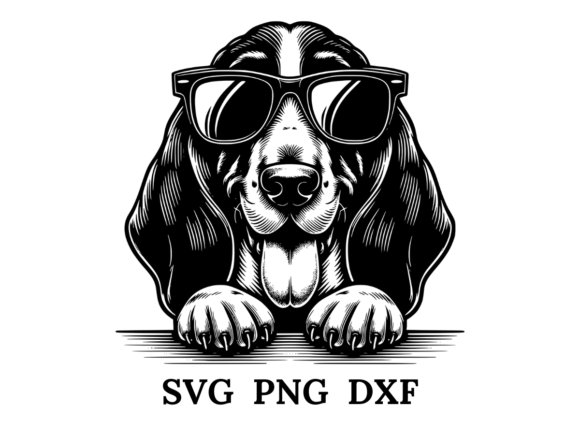
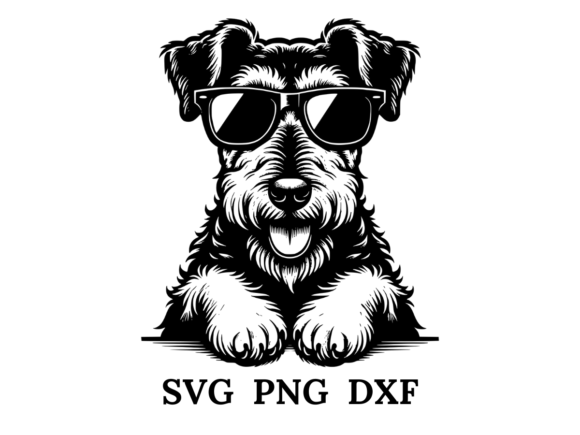
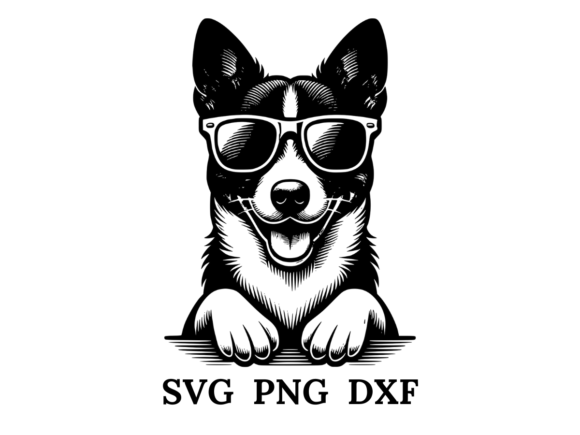
When I first opened the Peeking Dogs Basenji design files, I smiled. There’s something about a dog peeking over an edge, sunglasses perched on its nose, that hits a specific sweet spot between playful and cool. This isn’t a hyper-detailed portrait or a cartoonish caricature; it’s a clean, recognizable silhouette with attitude. The design is delivered as a SVG, DXF, and PNG – which means it’s primarily a graphic asset, not a machine-ready embroidery file. For anyone who works with embroidery, that’s actually a good thing. You get to digitize it yourself or commission a conversion, keeping full control over stitch density, underlay, and thread breaks. The vector format scales cleanly, so whether you’re planning a small cap logo or a large tote bag statement, the outline stays crisp.
Let me walk through how this design behaves in real embroidery projects, where it shines, and where you’ll want to test before committing to a final product.
First Impressions: Mood, Layout, and Visual Personality
The Basenji’s pose is what hooks you. The eyes are hidden behind dark sunglasses, which gives the dog a sense of mystery and confidence. The head is tilted slightly, ears perked, creating a moment of almost eye contact. The overall shape is compact and balanced – the head fits nicely into a rectangle or square hoop, with the sunglasses adding a horizontal anchor. There’s no body, just the head and neck peeking over an invisible line. That makes it perfect for placement on pockets, chest areas, or the center of a cap.
The mood is lighthearted but not childish. It feels like something a boutique pet brand would use, or a dog lover with a sense of humor. I’ve seen this style work well on products for young adults, gift items for friends who own Basenjis, and even as a quirky logo for a small dog-walking business. The sunglasses give it a universal appeal – it’s not breed-specific in a way that excludes other dog lovers, but it clearly celebrates the Basenji’s unique look.
Real-Life Embroidery Scenario: A Custom Tote Bag for a Dog Lover
Last week, I prepared a custom embroidered tote bag for a client who wanted something that felt personal but not overly sentimental. We used the Peeking Dogs Basenji graphic as the source art. I digitized it from the SVG, choosing a medium-density satin stitch for the sunglasses and a clean fill stitch for the head. The tote was a natural cotton canvas – smooth, medium weight, perfect for this kind of design.
Stitching it out, I noticed the sunglasses created a nice contrast against the lighter fur. The Basenji’s ears are distinct, so I used a running stitch for the inner ear details to keep the design from getting too heavy. The overall project took about 15 minutes of stitching time. The client loved the result, and I’ve since used the same digitized file on a sweatshirt embroidery and a embroidered patch for a denim jacket. Each substrate changed the feel slightly, but the design held up well.
Where Peeking Dogs Basenji Performs Best
Because the design is a solid graphic with defined shapes, it adapts to many product types. Here are the applications where I’ve seen it work well:
- Custom apparel: T-shirts, sweatshirts, hoodies – especially on the chest or back shoulder. The design is small enough to fit a pocket area but large enough to make a statement on a shirt back.
- Tote bags and aprons: The horizontal layout fills the center of a tote or the bib of an apron nicely. The sunglasses add a pop of curiosity.
- Baby embroidery: Oddly, it works for baby onesies and bibs because the dog is cute without being scary. The sunglasses feel playful, not intimidating.
- Holiday gifts and personalized items: I’ve seen it on Christmas stockings, birthday gifts, and even a wedding gift for a couple who adopted a Basenji. The design is neutral enough to fit any occasion.
- Small shop merchandise: If you sell on Etsy or at craft fairs, this design makes a great embroidered patch or a pillow cover addition. It’s recognizable and conversation-starting.
- Printable mockups and digital product previews: The PNG file works well for showing the design on a product before stitching. It helps customers visualize the final piece.
Areas Where Caution Is Needed
No design is perfect for every situation. With Peeking Dogs Basenji, I’ve identified a few scenarios where you should test carefully:
- Small hoop sizes: If you’re using a 4x4 hoop, the design must be scaled down. The sunglasses and eyes can become too small to digitize cleanly. I recommend a minimum height of 2 inches for the head to preserve detail.
- Textured fabrics: Fleece, sherpa, or thick terry can distort the fine lines of the dog’s ears. Use a heavy stabilizer, and consider a denser underlay for high-pile materials.
- Stretchy fabrics: T-shirts with high spandex content can cause the design to warp. A cutaway stabilizer and a light topping will help keep the shape.
- Dark fabrics: The sunglasses are dark, so on a black or navy shirt, they may disappear. Add a subtle outline or change the thread color to a lighter shade for contrast.
- Curved surfaces like caps: The design is horizontal, so curving it around a cap’s front panel requires slight digitizing adjustments. The sunglasses may tilt unnaturally if not properly mapped.
- Frequent washing: For baby items or kitchen towels, make sure the stitch density isn’t too high. Dense satin stitches can cause puckering after repeated washes. Use a satin stitch with moderate density.
Visual Appeal, Stitching Clarity, and Product Value
When a design is digitized well, the stitching clarity determines how much your customers trust your work. The Peeking Dogs Basenji graphic has clear boundaries – the head shape, the sunglasses, the ears – which translates to clean stitch paths. I’ve found that using a fill stitch for the main body and a running stitch for the ear details gives a professional look without overcomplicating the file.
The design also adds perceived value to handmade products. A tote bag with a stitched Basenji looks more intentional than a generic print. Customers often comment on the sunglasses detail – it’s unexpected and makes the product feel like a boutique item. For craft business owners, this design can differentiate your shop from competitors who use standard clip art.
Brand consistency is another factor. If you’re building a line of dog-themed products, this design fits a specific style that is modern yet approachable. It’s not too trendy, so it won’t look dated in two years. The Basenji breed has a loyal fan base, and using this design signals that you understand their aesthetic.
Practical Designer Notes Before You Start
Whether you’re a seasoned commercial embroidery shop or a hobbyist, take these steps before committing to a production run:
- Test on scrap fabric – Use the same fabric type you plan to use for the final product. Check thread tension and stitch quality.
- Review thread color contrast – The sunglasses and fur tones should be distinct. For light fabric, dark glasses work; for dark fabric, consider metallic or light gray sunglasses.
- Check stitch density – If you digitize yourself, aim for a density that avoids gaps but isn’t so dense that it causes fabric distortion. I recommend 0.4 mm for fill stitches, 0.3 mm for satin.
- Confirm hoop size – The design should fit comfortably within your hoop with at least 1/2 inch clearance on all sides.
- Inspect small details – The eyes behind the sunglasses are tiny. If you’re using a small hoop, consider simplifying the eyes to a single dot or removing them altogether.
- Test in black and white mockups – Print the SVG in grayscale to see how the design reads without color. This helps identify shapes that might blend together.
- Compare light and dark fabric backgrounds – The design’s contrast changes dramatically. What looks good on a white shirt may disappear on charcoal.
- Use proper stabilizer – For most apparel, a medium-weight cutaway stabilizer works. For towels or thick fabrics, use a tear-away or water-soluble topping.
- Check licensing for commercial use – Since you’re using the graphic as a source for digitizing, confirm that the license allows you to sell finished embroidery products. The product description says “Perfect for dog lovers” but doesn’t specify commercial terms. When in doubt, contact the seller.
- Test the design in a full project – Stitch it onto a sample product, wash it, and see how it holds up. That’s the only way to guarantee quality for your customers.
Final Thoughts for Designers and Small Business Owners
I’ve used many dog-themed graphics in my years of embroidery work, and Peeking Dogs Basenji stands out because it’s both cute and cool – a hard balance to strike. The vector files (SVG, DXF, PNG) give you flexibility, and the design itself is digitizer-friendly. While it’s categorized under T-Shirt Designs and Graphics, it easily translates to embroidery with a little effort.
My advice: if you have a client who loves Basenjis, or you want to add a playful canine design to your product line, give this one a try. Just remember to test, test, test. The difference between a good design and a great embroidered product is in the preparation. With the right stabilizer, thread, and scale, Peeking Dogs Basenji can become a reliable asset in your shop. It’s the kind of design that makes people say, “I need that on a tote,” and that’s exactly what you want as a small business owner or Etsy seller.