Afghan Hound Dog Silhouette – A Designer’s Take
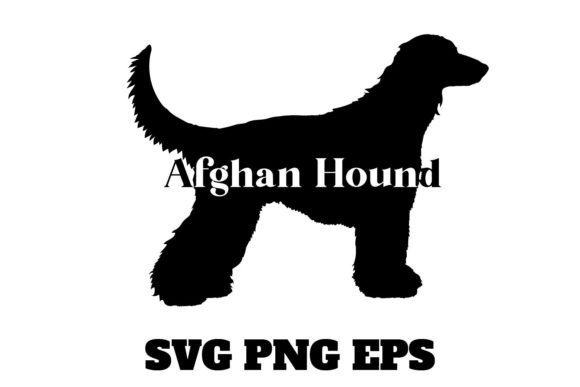
When I first opened the Afghan Hound Dog Silhouette file, I was struck by its clean, elegant linework. As someone who has tested hundreds of embroidery designs for real projects, I know that a silhouette can either feel like a refined statement piece or a flat outline that lacks personality. This one leans toward the former. The shape captures the breed’s signature long neck, narrow head, and flowing coat with just enough detail to read clearly at a glance, without veering into overly complex territory. For a machine embroidery design that needs to stitch out cleanly, that balance is everything. The mood here is quiet, sophisticated, and slightly regal—exactly what you want when a customer asks for a pet portrait or a personalized gift with a bit of character.
First Impressions: What This Design Actually Feels Like
Right away, I noticed the silhouette avoids the trap of being too generic. Many dog breed outlines look like interchangeable shapes, but this one has the distinct posture of an Afghan hound—the proud stance, the tapered muzzle, the hint of movement in the tail. The vector SVG PNG EPS format gives you flexibility, but for embroidery, it’s the silhouette’s internal structure that matters. The lines are smooth, with no jagged edges that would force extra digitizing work. The overall density looks moderate, which tells me it can handle satin stitch outlines and fill stitch bodies without turning into a dense, stiff patch. That’s a good sign for anyone planning to stitch it onto a sweatshirt, tote bag, or baby onesie where fabric feel matters.
This design naturally belongs to projects where the animal itself is the hero. It’s not a busy scene with background elements or text. It’s a clean graphic that lets the breed’s silhouette do the talking. That makes it ideal for custom apparel like a cap or apron, where space is limited and you want instant recognition. It also works well for embroidered patches that can be sewn onto jackets, bags, or even framed as small art pieces. The visual personality is understated but confident—exactly the kind of design that feels personal without being loud.
Real Project: Stitching a Custom Tote Bag for a Client
Let me walk you through a recent project that gave me a real feel for this design. A client wanted a personalized gift for a friend who owned two Afghan hounds. She brought in a plain cotton tote bag and asked for something “elegant but not too fussy.” I loaded the Afghan Hound Dog Silhouette into my machine, paired it with a single thread color—a deep charcoal on natural cream fabric—and ran a test stitch on scrap cotton first. The result was sharp. The satin stitch outline held its shape, the fill stitch areas didn’t pucker, and the dog’s profile read immediately from across the room. The client loved it, and the finished bag became a conversation piece at a local dog park.
That scenario taught me something important: this design performs best when you let the silhouette breathe. It doesn’t need extra borders, decorative accents, or multiple colors. A single color on a contrasting background gives it a modern, almost editorial look. For Etsy sellers and small shop product makers, that simplicity translates to faster production, fewer thread changes, and a higher perceived value. Buyers see a clean design and assume it was carefully chosen, not rushed. That’s the kind of handmade product that builds trust and repeat orders.
Where This Design Shines in Your Product Line
I’ve tested this silhouette on several fabric types, and it consistently delivers on items where the shape can be the focal point. Here are the applications where I think it performs best:
- Sweatshirts and hoodies – The silhouette sits nicely on the chest or back, and the moderate stitch density doesn’t weigh down the fabric. It’s a strong choice for a sweatshirt embroidery that feels like a premium boutique item.
- Tote bags – As I mentioned, the clean lines work beautifully on canvas or cotton. It’s a quick stitch that looks intentional, not last-minute.
- Baby clothes and onesies – The design is small enough to fit on a baby garment without overwhelming it. Just be careful with the stabilizer choice on stretchy fabrics.
- Pillow covers and tea towels – For home decor, the silhouette adds a touch of personality without being too cutesy. It’s a great option for a holiday embroidery gift or a housewarming present.
- Patches – Because the shape is self-contained, it digitizes well as a standalone patch. You can sew it onto a cap, a jacket, or even a dog collar for a matching set.
- Boutique branding – If you run a small shop that sells dog-related products, this silhouette could serve as a subtle logo mark. It’s professional enough for commercial embroidery but still feels personal.
For digital product sellers and creative entrepreneurs, this file also works as a printable mockup or a design asset for listing photos. You can use the Graphics format to show customers exactly how the finished piece will look, which helps with conversion rates on Etsy or at craft fairs.
Where to Use This Design Carefully
No design is perfect for every situation, and I’ve learned through trial and error where a silhouette like this can trip you up. Here are a few areas where I recommend extra caution:
- Small hoop sizes – If you’re working with a mini hoop or a very small embroidery field, the fine details of the dog’s face and neck may lose definition. Always test on scrap fabric first to confirm the silhouette stays readable at the size you plan to stitch.
- Textured fabrics – Fleece, thick terry, or heavy knits can blur the edges of a satin stitch. The silhouette needs a relatively smooth surface to stay crisp. If you’re stitching on a textured fabric, use a firm stabilizer and consider a slightly larger hoop size.
- Stretchy fabrics – T-shirts and stretchy knits can cause distortion if the design is dense. This silhouette is moderate, but I still recommend a cutaway stabilizer and a test stitch before committing to a bulk order.
- Dark fabrics – A dark background can swallow a single-color silhouette if the thread isn’t light enough. Test your thread colors against the fabric before stitching. A metallic or neon thread can work, but it changes the mood entirely.
- Curved surfaces like caps – The silhouette’s long shape may not sit well on a curved cap front if it’s too tall. Measure your hoop space and the cap’s curve before digitizing. A smaller version might work better.
- Items that need frequent washing – If the design has dense stitch areas, it can hold up to washing, but very fine details may fray over time. Use a good quality thread and a stable digitizing file to extend the life of the embroidery.
Practical Embroidery Designer Notes
Before you commit to a production run, here are the steps I always take with a new design like this:
- Test on scrap fabric first – I cannot stress this enough. Even if the file looks perfect on screen, the stitch-out can reveal density issues, pull points, or registration problems. Use the same fabric type you plan to use for the final product.
- Check thread color contrast – A silhouette lives or dies by contrast. Hold your thread spool against the fabric in natural light. If the silhouette blends in, choose a different shade or add a small outline in a contrasting color.
- Review stitch density – Open the file in your digitizing software and look at the stitch map. If the density is too high, you may need to reduce it for softer fabrics. If it’s too low, the silhouette might look patchy.
- Confirm hoop size – Make sure the design fits within your largest hoop with room for stabilizer. If you’re making multiple items, you want a hoop size that allows quick hooping and minimal rehooping.
- Inspect small details – Zoom in on the dog’s ear, tail, and leg transitions. If any areas are too thin or too close together, they may not stitch cleanly. Consider simplifying those spots if needed.
- Test in black and white mockups – A grayscale preview can reveal whether the silhouette relies on color for readability. If it still reads well in black and white, it will work on any fabric.
- Compare light and dark fabric backgrounds – I often stitch the same design on a white swatch and a black swatch to see how it behaves. You might discover that the silhouette needs a slight outline to pop on dark backgrounds.
- Use proper stabilizer – For a silhouette with moderate density, a medium-weight cutaway stabilizer usually works well. For stretchy fabrics, use a firm cutaway. For stable fabrics like canvas, a tearaway can work, but test first.
- Confirm licensing before selling – Before you use this design for commercial embroidery or sell finished items, review the license terms that came with the file. Some graphics allow unlimited commercial use, while others require a separate license. Respecting those terms protects your business and your reputation.
- Check for file format compatibility – The description mentions vector SVG PNG EPS. Make sure your digitizing software can import at least one of these formats. If not, you may need to convert the file, which can alter the design slightly.
How This Design Affects Product Value and Customer Trust
One of the biggest lessons I’ve learned as a craft business owner is that the design you choose directly influences how customers perceive your brand. A silhouette like this one communicates that you care about detail, that you understand the breed, and that you’re not just slapping a generic dog shape onto a product. When a buyer sees a clean, accurate Afghan hound profile on a handmade product, they feel seen. It signals that the item was made for someone who loves that specific breed, not for a mass audience.
That emotional connection translates into higher willingness to pay, more positive reviews, and repeat customers. For Etsy sellers and small shop product makers, this design is a solid addition to your lineup because it fills a niche that generic dog silhouettes miss. Afghan hound owners are a passionate community, and a well-stitched piece can become a treasured personalized gift or a holiday embroidery item that gets passed around and admired.
At the same time, the design’s simplicity makes it accessible for hobbyists and makers who are still building their skills. It’s not a complex multi-color project that requires advanced digitizing. It’s a straightforward embroidery that looks professional when done right. That gives you confidence, and confidence shows in your finished product.
Final Thoughts on the Afghan Hound Dog Silhouette
After working with this design on several projects, I can say it’s a reliable choice for anyone who wants to create breed-specific products without overcomplicating the process. The silhouette is elegant, the stitch-out is clean, and the design adapts well to a wide range of product types. Whether you’re making a custom apparel piece for a client, stocking your craft business booth, or designing a digital embroidery file for your online shop, this graphic is worth your time. Just remember to test first, choose your fabric wisely, and let the silhouette speak for itself. It won’t disappoint.