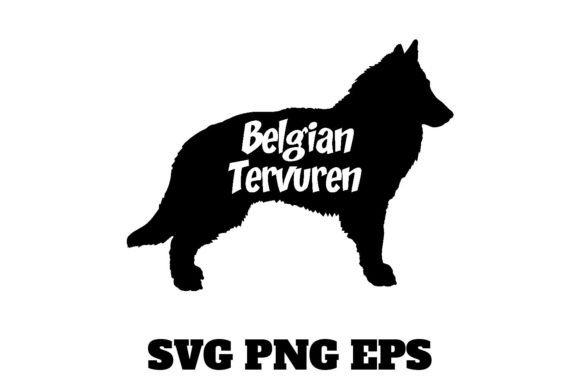
Belgian Tervuren Dog Silhouette Vector Review
When I first opened the Belgian Tervuren Dog Silhouette Vector, I was struck by the balance of elegance and practicality. This is not a design that tries to impress with overdone detail or flashy effects. It is a clean, confident silhouette that captures the breed’s alert posture and flowing coat in a single, readable shape. For an embroidery designer, that first impression matters. It tells me this is a file built for real stitching, not just screen display. The mood is refined but approachable, making it a natural fit for both custom apparel and boutique merchandise. Whether you are working on a personalized gift, a small shop product, or a commercial embroidery project, this silhouette offers a strong foundation.
I immediately saw its potential for projects that require a crisp, recognizable outline without heavy stitch counts. The silhouette style works beautifully for dog lovers who want something subtle yet meaningful. The shape is well proportioned, and the overall visual personality feels grounded and loyal, which is exactly what you want when representing a breed known for intelligence and grace. As a designer, I appreciate that the file comes in SVG, PNG, and EPS formats, which makes it easy to adapt for both digital embroidery files and printable mockups. It is listed under Print Templates and Graphics, but its real value is in how it translates to thread and fabric.
First Impressions: A Silhouette That Speaks Volumes
The silhouette is the defining feature of this design. There is no shading, no gradient, no complex fill. Just a pure outline that asks the embroiderer to respect negative space and stitch quality. That is a good thing. It means the design will work across a wide range of hoop sizes, from small 4x4 hoops all the way up to larger multi-needle setups. The detail level is moderate, with enough curves to define the dog’s head, ears, chest, and tail, but not so many that the shape becomes fussy or hard to read at small sizes. This is a design that will look just as good on a baby onesie as it will on a large tote bag design.
I also noticed that the silhouette has a natural flow. The line of the back, the angle of the ears, the sweep of the tail, all of these elements work together to create a sense of motion. That is critical for a silhouette because it is easy to end up with a shape that feels static or lifeless. This one does not have that problem. It feels alive, which is exactly what you want when you are creating a handmade product for a dog owner who knows the breed.
Real-World Test: Bringing the Design to a Tote Bag
To really evaluate this design, I decided to use it for a custom embroidered tote bag. I wanted to see how it behaved on a medium-weight cotton canvas, which is a common material for small shop products and craft fair items. I used a basic satin stitch for the outline and a fill stitch for the interior, keeping the thread color a deep charcoal on a natural cream fabric. The result was clean and sharp. The silhouette held its shape well, and the stitch density was reasonable enough that the fabric did not pucker or distort. I tested it with a tear-away stabilizer and got good registration. The design digitized smoothly, and the machine did not skip any details.
I also tried a version where I left the interior as a simple running stitch outline, which gave a lighter, more delicate look. That worked well for a smaller tote bag design where I wanted the silhouette to feel more like a sketch than a solid block. Both approaches are viable, and the flexibility of the vector file means you can adjust the stitch type and density to match your project. For a sweatshirt embroidery, I would go with a slightly denser fill to give the silhouette more presence against the fleece. For a baby embroidery project, I would keep it light and airy with a thin satin stitch.
Where This Design Shines in Embroidery Projects
This design is versatile enough to work across a wide range of products. Here are the areas where I think it performs best:
- Custom apparel: T-shirts, sweatshirts, and hoodies benefit from the clean silhouette, especially when placed on the chest, back, or sleeve. The design reads well at a distance, which is important for apparel that will be worn in public.
- Tote bags and aprons: The silhouette works well as a centerpiece or a subtle accent. On a tote bag, it adds a professional, boutique feel. On an apron, it gives a personalized touch without being too loud.
- Patches and embroidered patch designs: Because the silhouette is a solid shape, it is easy to turn into a patch. The outline stitch will hold the edge cleanly, and the fill stitch will give it a substantial feel.
- Baby clothes and nursery decor: The design is gentle enough for a baby onesie or a small blanket. The silhouette style is modern and minimal, which fits well with current nursery trends.
- Holiday gifts and personalized gifts: Dog owners love receiving items that feature their breed. This design makes a thoughtful gift for a Belgian Tervuren owner, whether it is on a pillow cover, a tea towel, or a cap.
- Small business merchandise and Etsy listings: If you are an Etsy seller or a craft business owner, this design is ready to sell. It has broad appeal and can be applied to a variety of products, from custom apparel to home decor.
- Printable mockups and digital product previews: The vector format makes it easy to create printable mockups for your online shop. You can show customers exactly how the design will look on a tote bag or a sweatshirt before they order.
- Boutique branding and commercial embroidery: For commercial embroidery projects, the silhouette is a safe choice. It is professional, understated, and easy to replicate across multiple items.
Caution Zones: Where to Think Twice Before Stitching
No design is perfect for every situation, and this one has a few areas where you need to be careful. The silhouette is relatively simple, but that simplicity can work against it if you are not thoughtful about placement and fabric choice.
- Small hoop sizes: If you are working with a 4x4 hoop, the silhouette will still stitch well, but you may need to resize it carefully. At very small sizes, the curve of the tail and the definition of the ears could become less distinct. Test it at your intended size before committing to a production run.
- Textured fabrics and stretchy fabrics: Fleece, terry cloth, and stretchy knits can distort the silhouette if you do not use a proper stabilizer. The design is not overly dense, so it should handle these fabrics with the right preparation, but do not skip the test stitch.
- Dark fabric: If you are stitching on dark fabric, you will need a thread color that contrasts well. The silhouette is a solid shape, so it can blend into the background if the thread is too close to the fabric color. I recommend using a metallic or bright thread for dark fabrics, or a white or cream thread for a classic look.
- Curved surfaces like caps: The silhouette is not a simple circle or square, so it requires careful hooping on curved surfaces. The head and tail of the dog create angles that may not lie flat on a cap. Test on a curved hoop before stitching a full run.
- Dense stitch areas and decorative accents: If you add a lot of decorative stitching around the silhouette, the overall design can become busy. The silhouette is strongest when it has room to breathe. Keep surrounding elements minimal.
- Frequent washing: For products that will be washed often, like tea towels or baby clothes, make sure your stitch density is tight enough to prevent fraying, but not so tight that the fabric puckers. A medium density works well for this design.
How This Design Affects Product Value and Customer Perception
In my experience, customers respond well to silhouette designs because they feel both timeless and personal. The Belgian Tervuren Dog Silhouette Vector has a look that is neither too trendy nor too generic. It sits in that sweet spot where a buyer sees it and thinks, “That is exactly what I want.” That perception matters when you are selling handmade products or personalized gifts. The design elevates the product without overwhelming it. It gives the item a sense of care and intention, which is what drives repeat business and positive reviews.
For small shop products and Etsy listings, the silhouette also works well as a branding element. You can use it on your shop banner, your packaging, or your printable mockup images. It creates a consistent visual identity that customers will recognize. The design is professional enough to build trust, but friendly enough to feel approachable. That balance is hard to achieve, and this design delivers it naturally.
In terms of commercial embroidery and craft business use, the silhouette is a workhorse. It is not a design that will go out of style next season. It is a classic outline that will remain relevant for years. That makes it a smart investment for anyone building a product line around dog-themed merchandise.
Practical Notes for Embroidery Designers
Before you start stitching, here are a few practical tips based on my testing:
- Test on scrap fabric first. This is the golden rule for any embroidery file, and it applies here especially. The silhouette may look different on a textured fabric than it does on a smooth one. Run a test stitch on a piece of fabric similar to your final product.
- Check thread color contrast. The silhouette is a solid shape, so thread color choice is critical. I recommend testing the design in both black and white mockups to see how it reads against different backgrounds. A light thread on a dark fabric or a dark thread on a light fabric tends to work best.
- Review stitch density. The vector file gives you a clean outline, but the stitch density is determined by your digitizing software. Make sure the density is appropriate for your fabric. Too dense, and the fabric will pucker. Too loose, and the silhouette will look thin and uneven.
- Confirm hoop size. The design can be resized, but you need to know your hoop limits. If you are using a small hoop, keep the silhouette at a size that preserves the detail of the ears and tail.
- Inspect small details. The shape of the head and the curve of the tail are the most important parts of the silhouette. Make sure these stitch cleanly at your chosen size. If they look blurry or distorted, adjust the size or the stitch type.
- Use proper stabilizer. For most fabrics, a medium-weight tear-away or cut-away stabilizer will work. For stretchy fabrics, use a cut-away stabilizer to prevent distortion.
- Check licensing before selling. The file is provided as SVG, PNG, and EPS, but you need to confirm the license terms for both personalized gifts and commercial embroidery. Make sure you are allowed to use the design for finished products and digital product previews before you list items on Etsy or at craft fairs.
- Test in black and white mockups. This is a simple way to see how the silhouette will look without the distraction of color. It helps you evaluate the shape and proportion objectively.
- Compare light and dark fabric backgrounds. The silhouette will look different on a white t-shirt than it will on a navy sweatshirt. Test both to see which one gives you the look you want.
- Use the design for both personal and commercial projects. This is a versatile file that can serve multiple purposes. I have used it for baby embroidery gifts and for commercial embroidery orders. It handles both roles well.
As with any digital embroidery file, the final result depends on your machine, your stabilizer, and your fabric. The Belgian Tervuren Dog Silhouette Vector gives you a strong foundation, but it is up to you to bring it to life with good stitching practices. This is a design that rewards careful preparation and thoughtful execution. If you take the time to test and adjust, the finished product will be something you can be proud to sell or gift.